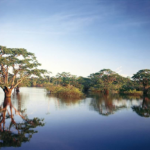

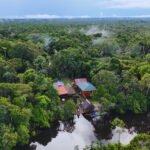
Our lodge carries its name for a reason: it sits right in front of a natural pool of the Cuyabeno River where pink river dolphins come to hunt and play. For many travelers, watching a pink fin break the dark water of the lagoon is the single most memorable moment of their Amazon trip. Here is what science — and the people of the river — know about the Amazon pink river dolphin.
What exactly is an Amazon pink river dolphin?
The Amazon river dolphin (Inia geoffrensis), known locally as the boto or bufeo, is the largest of the world’s river dolphins. Adult males can reach around 2.5 meters in length and weigh over 180 kilograms. Unlike marine dolphins, it lives its entire life in fresh water, in the great river systems of the Amazon and Orinoco basins.
Why are they pink?
Botos are born grey and turn pinker as they age. The color comes from blood vessels close to the surface of the skin, and it intensifies with activity and abrasion — which is why adult males, who are more territorial, are usually the pinkest. No two dolphins show exactly the same shade, and the tone can even shift with excitement.
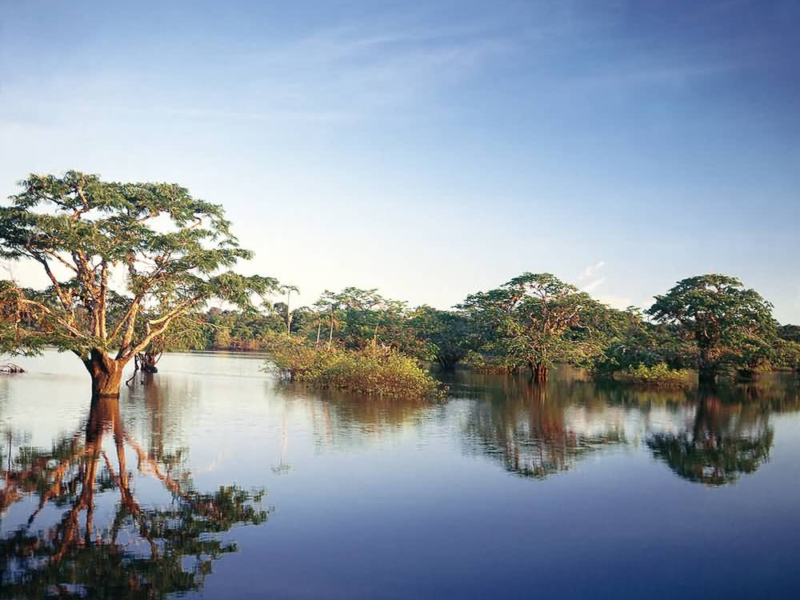
Built for the flooded forest
Two adaptations make the boto unlike any dolphin you have seen at sea:
- A flexible neck. Its cervical vertebrae are not fused, so it can turn its head from side to side — essential for weaving between submerged trunks and roots in the flooded forest.
- Powerful echolocation. The rivers and lagoons of the Amazon are dark with sediment and tannins, so botos hunt fish — including piranhas — mostly by sound, not sight.
An endangered emblem
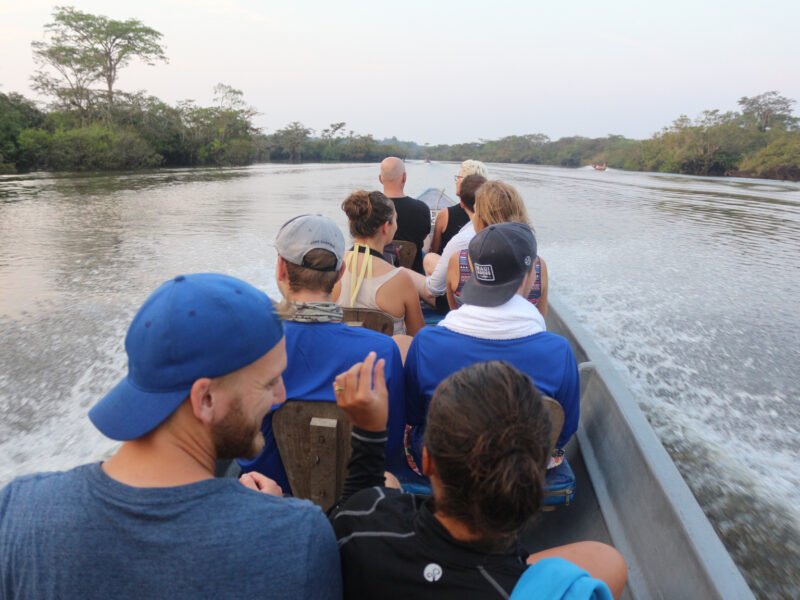
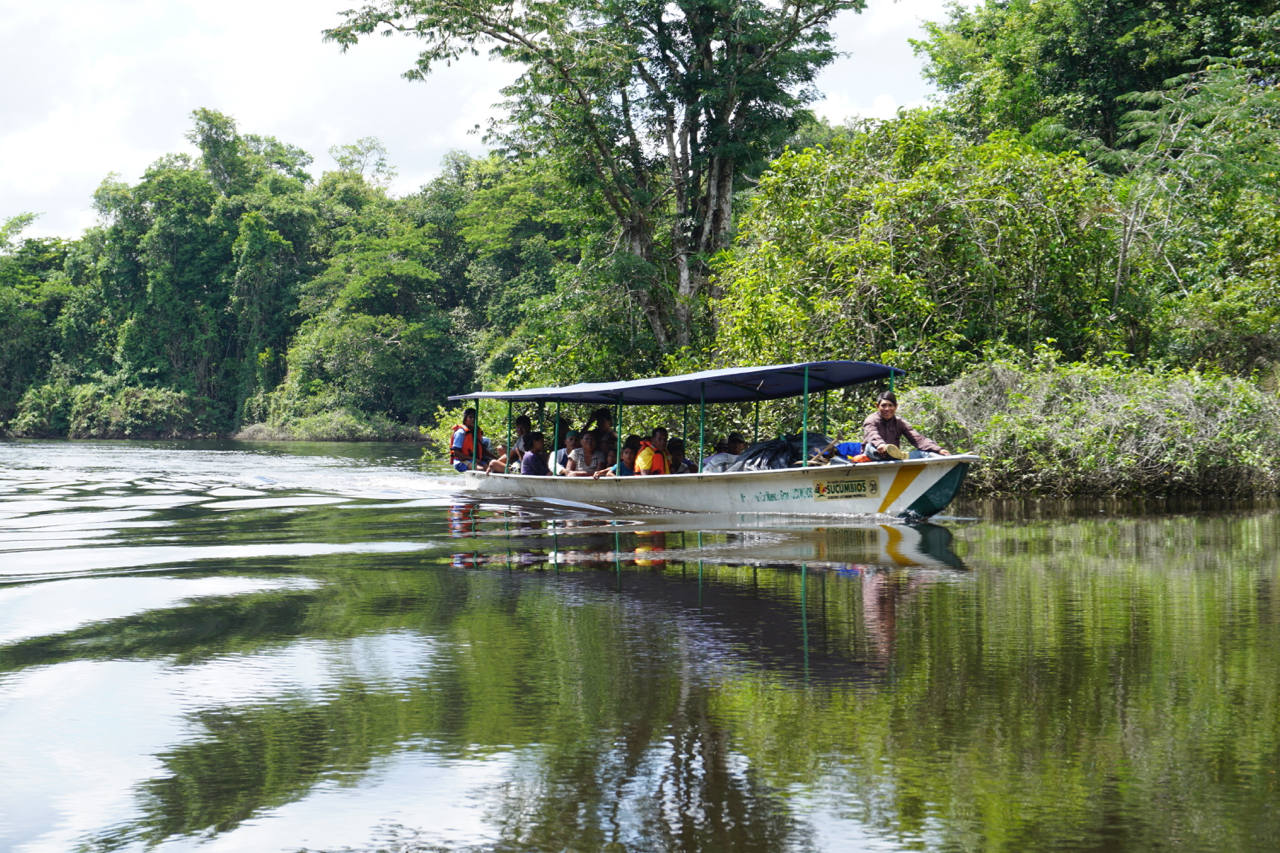
The IUCN Red List classifies the Amazon river dolphin as Endangered. Dams, pollution and fishing pressure have reduced its populations across South America, which makes protected areas like the Cuyabeno Wildlife Reserve — close to 6,000 square kilometers of protected rainforest — so important for its future. Responsible observation matters too: we watch dolphins from the canoe, without chasing, feeding or swimming after them.
The dolphin in Amazonian culture
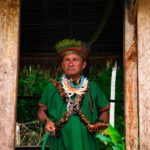
For the indigenous nationalities of the Amazon, the boto is far more than an animal. A well-known legend tells of the encantado, a dolphin that takes human form at night. Whatever version you hear from your guide around the lodge table, the message underneath is the same: this is an animal the river people treat with respect.
Where and when to see them in Cuyabeno
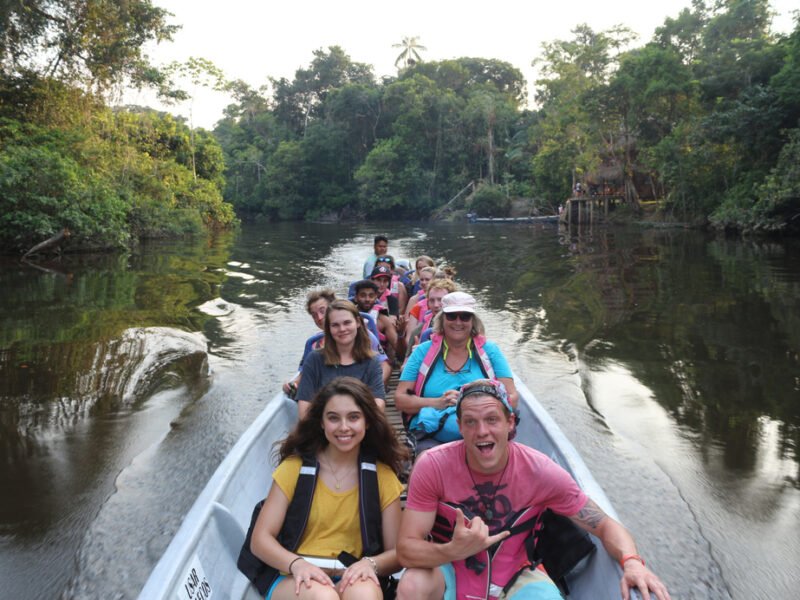
The Amazon pink river dolphin is present in the reserve all year. Your best chances are in calm water at dawn and in the late afternoon, when they surface to breathe in the Laguna Grande and the deep bends of the river — including the pool directly in front of our lodge. Sightings can never be guaranteed with wild animals, but the lagoon system of Cuyabeno is one of the most reliable places in Ecuador to encounter them.
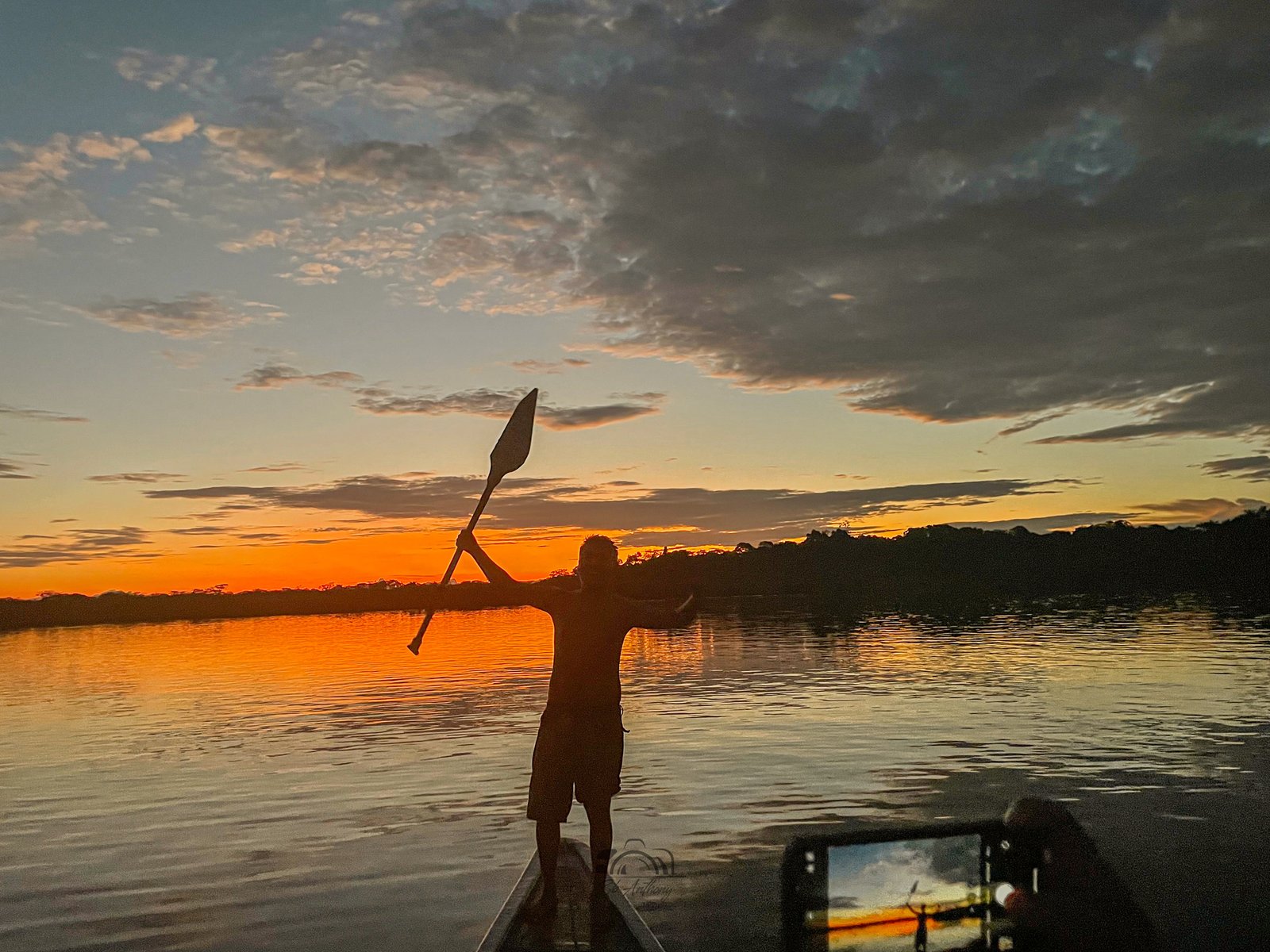
Want to maximize your chances? Our Pink Dolphin Trail Adventure (6 days / 5 nights) spends more time on the water than any of our other programs, or you can start with the classic Cuyabeno 3 Days – 2 Nights.